Process interfaces
Describe incoming materials, handling conditions and the next process step. Review cycle dependencies and buffering before finalising the equipment arrangement.
Automation that fits the production line.
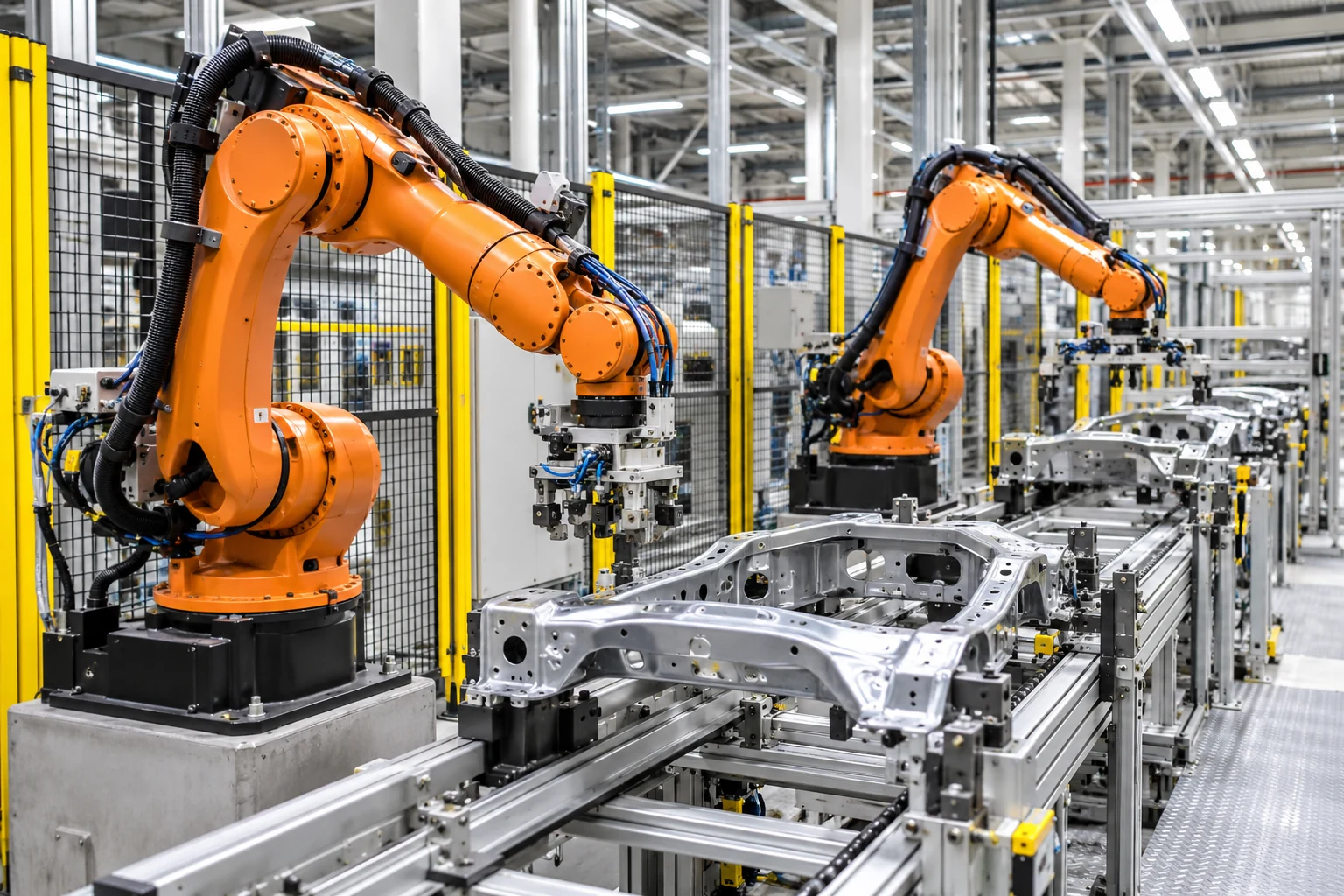
An automation cell must fit the process on both sides of it. Material presentation, transfer timing and the way operators intervene all influence the choice of equipment. Planning the complete workflow helps reveal constraints that are not visible when individual machines are considered separately.
N-STS supports coordination around industrial automation equipment and its site interfaces. The delivery scope can bring together equipment installation, controls integration, commissioning preparation and technical support, with responsibilities agreed for each production area.
Describe incoming materials, handling conditions and the next process step. Review cycle dependencies and buffering before finalising the equipment arrangement.
Coordinate mechanical installation, utilities, control interfaces and access. Protective measures and operating zones must be addressed through the project risk assessment.
Plan how operators and maintenance teams will identify alarms, recover from interruptions and request assistance. Preserve settings, drawings and agreed spare parts information.
| Design input | What to coordinate |
|---|---|
| Process conditions | Material characteristics and transfer interfaces |
| Utilities | Power, compressed air and other site services |
| Integration | Machine communication and upstream/downstream signals |
| Operation | Recovery procedures, maintenance access and training |
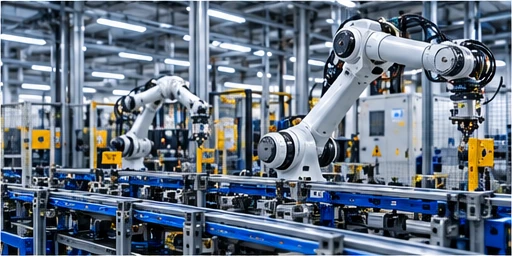
Map the production sequence and transfer points.
Agree machine, utility and control responsibilities.
Verify interfaces before integrated line testing.
Organise documentation and operational support.